Why Phantom Became My Go-To Solana Browser Wallet — and Where It Still Needs Work
Whoa, this hit me sooner than I expected. Phantom has been my go-to Solana wallet for months now. It balances simplicity with powerful features for DeFi and NFTs. At first it felt like just another browser extension, but over time I used it for trades, staking, and habitual wallet checks across a dozen projects.
Seriously? The onboarding is surprisingly smooth. Creating an account took less than five minutes, seed phrase and all. The UI nudges you gently, without shouting, which I appreciate. Still, my instinct said pay attention to permissions when connecting to unknown dapps—because that part can get messy fast.
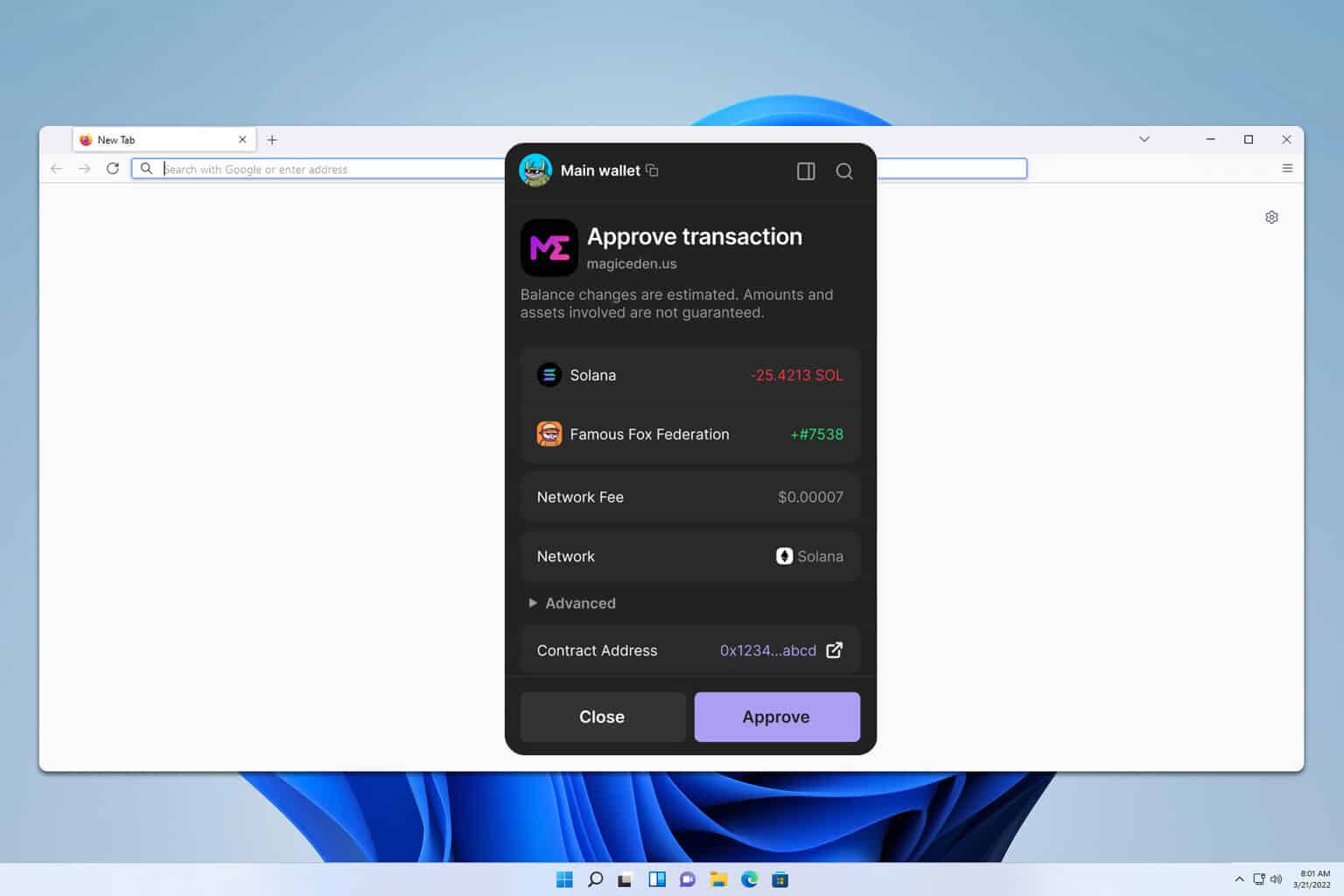
Hmm… here’s what bugs me about random dapp pop-ups. Phantom asks for approvals clearly most of the time. But some apps request weird permissions that look legit until you squint. Initially I thought all approvals were reversible easily, but then realized some approvals persist in ways that made me uncomfortable—so I had to hunt down settings.
Okay, so check this out—fees on Solana are tiny compared to Ethereum. That low friction changes how you interact with DeFi. It makes micro-transactions and NFT minting way more tolerable for everyday use. On the other hand, cheap transactions can encourage sloppy UX from dapps who assume users won’t need confirmations…
Whoa, phishing is still the scariest real risk though. Phantom’s permission model is decent, but user behavior matters more than any UI. I’ve seen very convincing fake extension prompts disguised as legit updates, and that part bugs me. I’m biased, but a little paranoia goes a long way when seed phrases are involved.
Initially I thought hardware wallets would be overkill, but then I paired my Ledger with Phantom. The integration is stable enough for normal usage. It gives you an extra layer for signing important transactions, which I now treat as non-negotiable for sizable transfers. Actually, wait—let me rephrase that: use hardware for custody if you care about real security.
Whoa, the token management is slick. Adding SPL tokens is straightforward and you rarely need manual configuration. Phantom auto-detects many tokens and displays balances clearly. Though, sometimes token labels or icons are missing, which confuses newer users who expect everything to look polished.
Seriously, the NFT experience is a highlight. Viewing collections, seeing floor prices, and quickly sending NFTs works well. Phantom makes that feel native inside the wallet without extra sign-ins. On the flip side, listing NFTs still depends on external marketplaces, and that integration can be inconsistent across browsers and versions.
Hmm, privacy is a mixed bag here. Your public address is just that—public—and many dapps can correlate activity. Phantom doesn’t pretend to anonymize transactions, and it shouldn’t. If you want privacy, consider separate wallets for different activities, or use privacy-focused tools alongside Phantom.
Whoa, here’s a practical tip I use daily. Create at least two accounts inside Phantom: one for everyday play, another for larger holdings. Switching is quick and keeps your risk compartmentalized. Also, name accounts clearly—trust me on this—because “Account 2” gets confusing very very fast.
Okay, performance-wise Phantom is lightweight. The extension doesn’t bog down Chrome or Brave like some heavy wallets can. It connects to dapps swiftly and transaction signing is snappy. On rare occasions I saw network congestion on Solana which delayed confirmations, though those are generally resolved within a minute.
Seriously, developer features are underrated. Phantom supports custom RPC endpoints for devnet and testnet experimentation. You can add tokens manually and tweak settings when debugging a dapp. For folks building on Solana, Phantom is a convenient everyday tool that doesn’t get in the way.
Where to get it (and a simple download tip)
Whoa, if you want a quick install, use the official source. Always grab the extension from trusted links, and check the URL before you click anything. For convenience, here’s a place to start: phantom. I’m not saying that’s the only source, but it saved me time when setting up a new machine.
Initially I assumed mobile would replace the extension for day-to-day use, but that hasn’t happened for me. The desktop extension still feels faster for heavy dapp sessions. That said, Phantom’s mobile app is improving and it syncs reasonably via seed phrase (so keep that phrase safe, okay?).
Hey, somethin’ else—revoke dapp approvals periodically. Phantom doesn’t always shout about stale connections. Go into the settings and clear out old permissions from projects you no longer use. Your future self will thank you when an old game suddenly requests access to funds.
Whoa, backups are boring but critical. Write down your seed phrase on paper, store it in two locations, and avoid cloud notes. I know that advice is old-school, but it works. If you lose the phrase, recovering access is basically impossible.
On one hand, Phantom reduces friction for newcomers and makes Solana accessible. On the other hand, that same convenience can lull users into complacency, though actually being careful takes very little extra effort. Balancing convenience and security is the ongoing challenge in wallets, and Phantom navigates it better than many peers.
Common questions
Is Phantom safe for DeFi on Solana?
Whoa, safety depends on practice more than the wallet alone. Phantom has strong UX and supports hardware wallets, which improves security for significant funds. Use hardware signing for big transactions, revoke old approvals, and never paste seed phrases into websites. Also consider separate accounts for riskier dapp interactions.
Can I recover my Phantom wallet if I lose my device?
Seriously, recovery is via your seed phrase only. If you’ve backed up the phrase correctly you can restore on another device or mobile app. If you didn’t back it up then recovery is unlikely, and that’s a hard lesson many learn the hard way.
